

Hot water is one of those everyday essentials that most homeowners only think about when it suddenly isn’t there. A cold shower on a winter morning or a water heater that fails without warning can quickly disrupt daily routines. For homeowners across the Durham and Northumberland Region—including Oshawa, Whitby, Ajax, Pickering, Courtice, Bowmanville, Coubourg, Port Hope, and Clarington—choosing the right hot water heater is an important long-term decision that affects comfort, energy use, and household reliability.
If you’re replacing an aging system, planning renovations, or building a new home, you’ve likely encountered the two primary options available today: traditional tank (storage) water heaters and tankless (on-demand) water heaters. Both systems are widely used throughout Ontario and can perform well when properly installed and maintained. However, they operate very differently and are suited to different household needs.
This guide provides a clear, non-promotional breakdown of tank vs. tankless hot water heaters, with a focus on real-world performance in Durham and Northumberland Region homes, Canadian winters, and long-term ownership considerations.
How Each System Works
Understanding how these systems operate is the first step in understanding their strengths and limitations.
Tank Hot Water Heaters (Storage Systems)
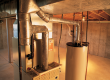
A tank hot water heater stores a large volume of heated water—typically 40 to 60 gallons, though larger tanks are available for high-demand households. The water inside the tank is heated continuously and kept at a set temperature, even when no hot water is being used.
When you turn on a tap, hot water flows from the top of the tank while cold water enters from the bottom to replace it. Once the tank empties, it must refill and reheat before more hot water is available, which can take anywhere from 30 minutes to over an hour.
Common fuel sources include:
- Natural gas
- Propane
- Electricity
Tank systems are still the most common option in older homes throughout Oshawa, Whitby, and Ajax, largely because existing plumbing, venting, and electrical setups are designed for them.
Tankless Hot Water Heaters (On-Demand Systems)
Tankless water heaters do not store hot water. Instead, they heat water only when a tap or appliance is turned on. Cold water flows through the unit and is heated instantly using powerful burners or electric heating elements.
Because there is no storage tank, tankless systems eliminate standby heat loss and can supply hot water continuously—as long as the system’s flow capacity is not exceeded.
Common fuel sources include:
- Natural gas (most common for whole-home systems)
- Electricity (often used for point-of-use or smaller systems)
Tankless systems are becoming more common in newer builds and renovations throughout Durham and Northumberland, particularly in homes prioritizing energy efficiency and space savings.
Side-by-Side Comparison: Tank vs. Tankless Water Heaters
| Feature | Tank Water Heater | Tankless Water Heater |
| Hot Water Supply | Limited by tank size | Continuous (on-demand) |
| Energy Efficiency | Lower due to standby heat loss | Higher, no standby loss |
| Upfront Cost | Lower ($) | Higher ($$) |
| Installation Complexity | Simple | More complex |
| Lifespan | 8–12 years | 15–20+ years |
| Space Required | Large footprint | Compact, wall-mounted |
| Maintenance | Annual flushing | Annual descaling |
| Cold Weather Performance | Very stable | Requires proper sizing |
| Best For | Smaller households, quick replacements | High-demand homes, long-term efficiency |
| How Much Energy Can Be Saved | Tankless models save more energy, but if a tanked model is necessary there are higher efficiency models that can save anywhere from 30% – 50% more energy than standard tanks | Can save anywhere from 24% – 34% more energy with a tankless model |
1. Energy Efficiency
Tank Water Heaters
Tank water heaters heat and reheat water throughout the day, even when no one is home. This leads to standby heat loss, where energy is used simply to maintain water temperature. While modern tanks are better insulated than older models, they are still less efficient overall.
For households with inconsistent hot water usage, this constant energy draw can add up over time.
Tankless Water Heaters
Tankless systems are generally more energy-efficient because they only heat water when needed. By eliminating standby heat loss, they can reduce overall energy consumption—especially in homes with steady daily hot water demand. When energy costs fluctuate seasonally, homeowners often consider tankless systems for their long-term efficiency benefits rather than immediate savings.
2. Hot Water Availability
Tank Systems
Tank systems provide a fixed supply of hot water. Once the tank empties, users must wait for it to refill and reheat. This can be noticeable in homes where:
- Multiple people shower back-to-back
- Laundry and dishwashers run simultaneously
- Morning routines overlap
Tankless Systems
Tankless systems provide continuous hot water, making them attractive for larger families. However, they are limited by flow rate, meaning they can only heat a certain amount of water at one time.
Proper sizing is critical to ensure the system can handle peak demand, particularly during winter.
3. Space Requirements
Tank Water Heaters
Tank heaters require significant floor space and are typically installed in basements, utility rooms, or closets. In older Durham and Northumberland Region homes, space constraints can make placement challenging—especially during renovations.
Tankless Water Heaters
Tankless units are compact and wall-mounted, freeing up valuable floor space. This makes them appealing for:
- Smaller homes
- Finished basements
- Townhomes and condos
4. Lifespan and Durability
Tank Water Heaters
- Typical lifespan: 8–12 years
- Sediment buildup and constant heating cycles contribute to wear and tear.
Tankless Water Heaters
- Typical lifespan: 15–20+ years
- Fewer heating cycles and no stored water reduce internal stress.
Over time, the longer lifespan of a tankless system can offset part of its higher upfront cost.
5. Installation Cost and Complexity
Tank Systems
Tank systems usually have a lower upfront cost and are easier to install, especially when replacing an existing unit. This makes them a practical choice for homeowners seeking a straightforward solution.
Tankless Systems
Tankless installations may require:
- Gas line upgrades
- Electrical panel upgrades
- New venting systems
These upgrades increase installation costs but are necessary for safe and efficient operation.
6. Maintenance Requirements
Tank Water Heaters
Annual flushing helps remove sediment buildup, which is common in areas with harder water. Neglecting maintenance can reduce efficiency and shorten lifespan.
Tankless Water Heaters
Tankless systems require annual descaling to prevent mineral buildup on internal components. This is especially important in parts of Durham and Northumberland Region where water hardness varies.
7. Cold Weather Performance in Ontario
Winter conditions significantly impact water heater performance.
Tank Systems
Tank heaters handle cold inlet water well because they heat and store water gradually. This makes them reliable during extreme cold snaps.
Tankless Systems
Tankless units can perform well in winter but must be properly sized for colder inlet temperatures and peak demand. Undersized systems may struggle during high-usage periods.
Which System Is Right for Your Home?
Choose a Tank Water Heater If You Want:
- Lower upfront cost
- Simple replacement
- Reliable performance for small to medium households
Choose a Tankless Water Heater If You Want:
- Endless hot water
- Long-term energy efficiency
- Longer system lifespan
- Reduced space usage
Are There Any Grants or Rebates for Water Heaters in Ontario?
While there are no permanent grants specifically for standard water heater replacements, some homeowners may qualify for limited rebates tied to energy-efficiency programs. These incentives typically apply to high-efficiency tank models or ENERGY STAR® tankless systems and may be offered through federal, provincial, or utility-based programs.
Availability changes frequently, and rebates often require proof of installation and efficiency ratings. For this reason, incentives should be viewed as a potential cost offset, not a guaranteed funding source.
What Size Water Heater Is Right for Your Home?
Proper sizing is critical for comfort and efficiency.
For tank water heaters, general guidelines include:
- 1–2 people: 30–40 gallons
- 2–4 people: 40–50 gallons
- 4+ people: 50–60+ gallons
Homes with multiple bathrooms, back-to-back showers, or heavy appliance use may need larger tanks.
For tankless systems, sizing is based on flow rate and simultaneous demand, not storage. In Durham and Northumberland Region, cold winter inlet water makes accurate sizing especially important to avoid performance issues during peak use.
Should You Rent or Buy a Water Heater?
Renting a water heater is common in Ontario and typically includes maintenance and repairs for a monthly fee. This option offers convenience but often results in higher long-term costs.
Buying a water heater requires a higher upfront investment but usually costs less over the system’s lifespan and allows full control over equipment choice. Purchasing is often the better option for homeowners planning to stay in their home long term.
The right choice depends on budget, length of home ownership, and preference for convenience versus long-term savings.
Final Thoughts
Both tank and tankless hot water heaters are proven solutions for homes throughout Durham and Northumberland. Neither option is universally “better”—the right choice depends on your household size, water usage habits, budget, available space, and long-term goals.
Tank systems remain a reliable and cost-effective option for many homeowners. Tankless systems offer efficiency, space savings, and continuous hot water when properly sized and maintained.
By understanding how each system works and how it performs in Ontario’s climate, homeowners can make informed decisions that support comfort, efficiency, and reliability year-round.
Considering Upgrading Your Water Heater? Visit Joe’s Heating Today!
At Joe’s Heating & Air Conditioning, we take pride in servicing locations throughout the Durham and Northumberland region including Bowmanville, Peterborough, Pickering, Ajax, Whitby, Oshawa, Cobourg, Port Hope and more! We offer high end services for all kinds of heating products such as, furnaces, boilers, water heaters, heat pumps, fireplaces and more. If you want to ensure your family’s warmth and comfort contact Joe’s Heating and Air Conditioning today at (905) 434-6788!