

As HVAC professionals serving Durham Region and Northumberland County in Ontario, we’ve seen a noticeable shift in how homeowners approach heating and cooling. Rising energy costs, evolving building standards, and increased interest in energy-efficient home upgrades have brought heat pumps to the forefront of HVAC discussions across the region.
While heat pumps are not new technology, they are still widely misunderstood. Homeowners often ask how they work, whether they are suitable for Ontario’s climate, and how they compare to traditional furnaces and air conditioners. This article is intended to be educational and unbiased, providing clear, practical information to help homeowners make informed decisions.
What Is a Heat Pump?
A heat pump is a high-efficiency HVAC system that provides both heating and cooling by transferring heat rather than generating it.
Unlike gas furnaces, oil systems, or electric resistance heaters, a heat pump does not rely on combustion or direct heat creation. Instead:
- In winter, it pulls heat energy from the outdoor air and transfers it indoors.
- In summer, it reverses the process, removing heat from the home to provide cooling.
Because heat pumps move heat instead of creating it, they can deliver significantly more energy than they consume, making them one of the most efficient heating systems available for residential use.
How Heat Pumps Work
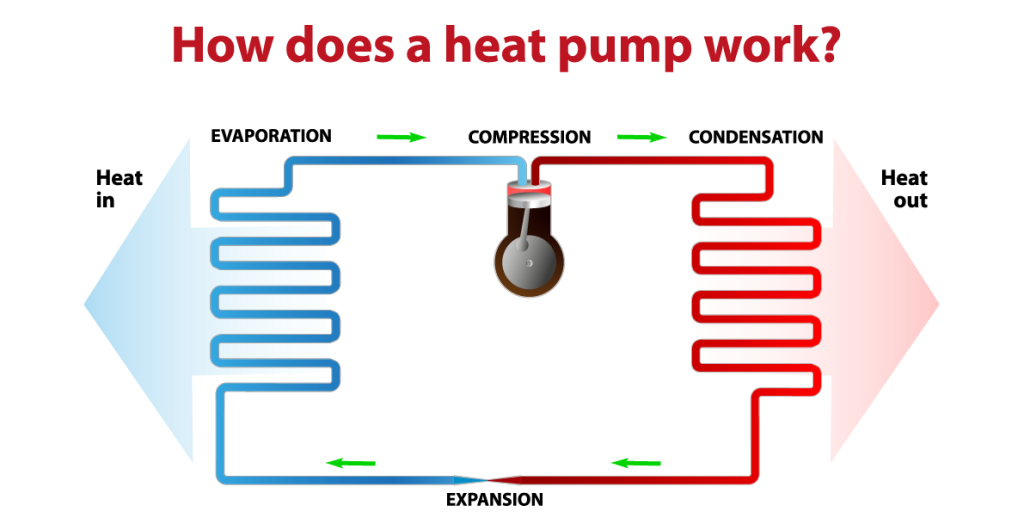 Even during cold Ontario winters, outdoor air still contains usable heat energy. A heat pump captures this heat using a refrigerant cycle and then compresses it to a higher temperature before distributing it throughout the home.
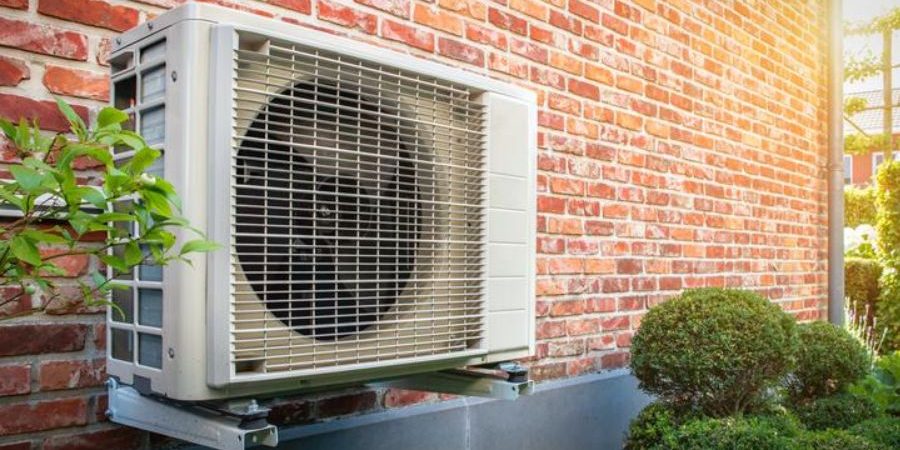
A typical heat pump system includes:
- An outdoor unit that absorbs or releases heat
- An indoor unit that distributes conditioned air
- Refrigerant lines connecting the two components
Electricity powers the system, but its role is to facilitate heat transfer—not to generate heat directly. This distinction is key to understanding why heat pumps can outperform traditional systems in energy efficiency.
Types of Heat Pumps Commonly Used in Ontario Homes
Air-Source Heat Pumps
The most common option in Durham and Northumberland homes.
- Extract heat from outdoor air
- Designed for cold climates
- Widely available in ducted and ductless configurations
Ducted Heat Pump Systems
- Integrate with existing ductwork
- Often replace or supplement a furnace
- Suitable for whole-home heating and cooling
Ductless (Mini-Split) Heat Pumps
- No ductwork required
- Ideal for older homes, additions, or zoned comfort
- Common in cottages and rural properties across Northumberland County
Hybrid (Dual-Fuel) Heat Pump Systems
- Combine a heat pump with a gas furnace
- Heat pump handles most heating needs
- Furnace provides backup during extreme cold
Hybrid systems are particularly practical in Southern Ontario, where winter temperatures vary significantly.
Do Heat Pumps Work in Ontario Winters?
Yes—modern cold-climate heat pumps are designed to operate efficiently in Canadian winters, including Southern Ontario conditions.
Performance depends on several factors:
- Heat pump model and cold-climate rating
- Proper system sizing
- Home insulation and air sealing
- Availability of a backup heat source
Most cold-climate heat pumps maintain reliable performance between -15°C and -25°C, which covers the majority of winter temperatures in Durham and Northumberland. During extreme cold events, backup heating may be used to maintain indoor comfort.
Energy Efficiency and Performance Ratings

Heat pump efficiency is measured differently than furnaces or boilers.
Instead of AFUE, heat pumps use:
- COP (Coefficient of Performance) for heating efficiency
- SEER for cooling efficiency
A COP above 3 means the system delivers three units of heat for every unit of electricity consumed. This level of efficiency is especially beneficial in regions like Southern Ontario, where winter temperatures fluctuate and moderate cold conditions are common.
Available Rebates and Grants for Heat Pumps in Ontario
Homeowners in Durham Region and Northumberland County may be eligible for rebates or financial incentives when upgrading to a high-efficiency heat pump. Various federal and provincial programs have been introduced in recent years to encourage energy-efficient home improvements and reduce household emissions.
In Ontario, rebate availability can change depending on funding cycles and government policy, but programs have commonly included:
- Federal energy-efficiency grants for eligible heat pump installations
- Income-qualified programs that provide enhanced rebates for lower- to moderate-income households
- Utility-backed incentive programs tied to home energy audits
- Financing options that allow homeowners to spread the cost of energy-efficient upgrades over time
- Many rebate programs require:
- A pre-installation home energy assessment
- Installation of approved cold-climate heat pump models
- Use of licensed HVAC professionals
Because eligibility requirements and funding amounts can change, homeowners are encouraged to review current federal and provincial program details before making decisions. In our experience serving the Durham and Northumberland region, understanding rebate qualifications early in the planning process helps ensure systems are selected and installed in a way that meets program guidelines.
While incentives can help offset upfront costs, the long-term value of a heat pump ultimately depends on proper system design, home efficiency, and realistic expectations for performance in Ontario’s climate.
Heating and Cooling in One System
One of the primary advantages of heat pumps is their ability to replace both a furnace and an air conditioner.
In cooling mode:
- Performance is comparable to high-efficiency central air systems
- Dehumidification improves indoor comfort
- Seasonal efficiency ratings are often higher than older AC units
For homeowners upgrading from aging HVAC equipment, heat pumps can simplify system design while improving year-round comfort.
Electricity Costs and Operating Considerations in Ontario
Electricity pricing plays an important role in overall operating costs.
In Ontario:
- Time-of-use electricity rates apply
- Smart thermostats can help manage consumption
- Heat pumps are most cost-effective when properly sized and programmed
Homes currently using oil, propane, or electric baseboard heating often see the greatest benefit. In many cases, combining a heat pump with a backup system offers the best balance of efficiency and reliability.
The Role of Insulation and Air Sealing

Heat pump performance is closely tied to the efficiency of the home itself.
Homes across Durham and Northumberland perform best when:
- Attic insulation meets modern standards
- Air leakage around rim joists and basements is minimized
- Windows and doors are reasonably energy-efficient
A heat pump cannot compensate for excessive heat loss, which is why home envelope improvements are often recommended alongside HVAC upgrades.
Noise Levels and Outdoor Unit Placement
Modern heat pumps operate much more quietly than earlier generations.
Key considerations include:
- Variable-speed compressors reduce noise
- Proper clearances improve airflow and winter performance
- Snow management is essential for reliable operation
Professional installation and thoughtful placement help ensure long-term performance, particularly during Ontario winters.
Maintenance and System Lifespan
Because heat pumps provide both heating and cooling, they operate year-round and require consistent maintenance.
Recommended care includes:
- Regular filter changes
- Annual professional inspections
- Clearing snow and debris from outdoor units
With proper maintenance, heat pumps typically last 15–20 years, comparable to other HVAC systems.
Environmental Impact and Emissions
Ontario’s low-carbon electricity grid makes heat pumps an environmentally responsible choice.
Benefits include:
- No on-site combustion
- Reduced greenhouse gas emissions
- Improved sustainability when replacing oil or propane systems
As electricity generation continues to evolve, the environmental benefits of heat pumps increase without requiring system changes.
Are Heat Pumps Suitable for Every Home?
Heat pumps work best when applied thoughtfully.
They are well suited for:
- Well-insulated homes
- Long-term homeowners
- Properties replacing oil, propane, or electric heating
- Homes needing both heating and cooling upgrades
They may be less suitable without upgrades in:
- Poorly insulated homes
- Properties with limited electrical capacity
- Situations requiring very low upfront investment
A professional heat load calculation is essential to determine suitability.
Final Thoughts from a Local HVAC Perspective
Across Durham Region and Northumberland County, heat pumps are becoming an increasingly common and practical HVAC solution. When properly designed and installed, they offer efficient, reliable comfort suited to Ontario’s climate.
Successful heat pump installations share three key factors:
- Realistic expectations
- Proper system design
- A reasonably energy-efficient home
Heat pumps are not a universal solution—but for many Ontario homeowners, they represent a forward-looking approach to home comfort, efficiency, and sustainability.
Looking For Reliable HVAC Services? Contact Joe’s Heating Today!
At Joe’s Heating & Air Conditioning, we take pride in servicing locations throughout the Durham and Northumberland region including Bowmanville, Peterborough, Pickering, Ajax, Whitby, Oshawa, Cobourg, Port Hope and more! We offer high end services for all of your HVAC needs such as furnaces, boilers, water heaters, heat pumps, air conditioners, humidifiers and more. If you want to ensure your family’s warmth and comfort contact Joe’s Heating and Air Conditioning today at (905) 434-6788!