

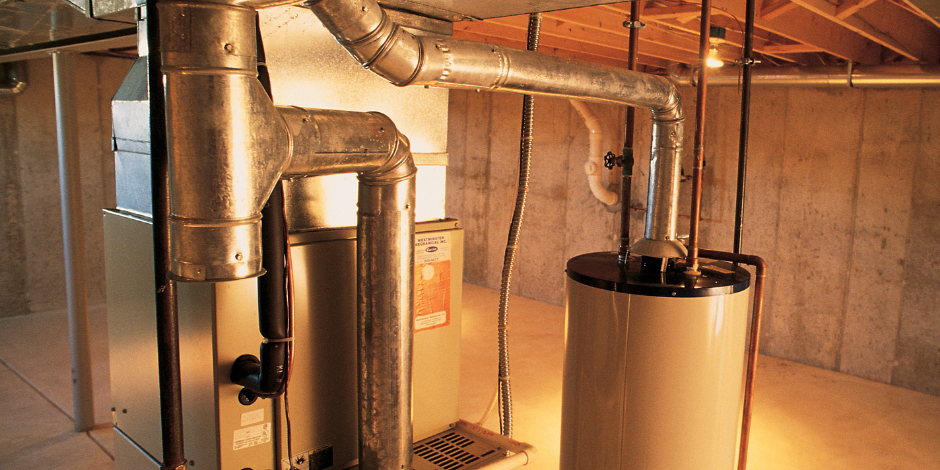
When the temperature drops and the wind starts howling, your furnace becomes the unsung hero of your home, keeping you warm, comfortable, and safe. But like any hardworking appliance, a furnace doesn’t last forever. Over time, wear and tear, aging components, and declining efficiency can all take their toll. Knowing when your furnace is nearing the end of its life can help you avoid unexpected breakdowns, high repair costs, and chilly nights without heat.
Here’s how to tell if your furnace is on its last legs, and what to do next.
1. Check the Age of Your Furnace
One of the most reliable indicators of a furnace’s condition is its age. Every furnace has a life expectancy, and once it reaches that point, replacement becomes a smarter and more economical choice than constant repairs.
- Gas Furnaces: Most gas furnaces last between 15 to 20 years with regular maintenance. After 15 years, efficiency typically starts to drop and internal components begin to fail.
- Oil Furnaces: An oil furnaces life span is similar to gas as it normally lasts around 15-20 years with regular maintenance required to keep the furnace in good condition.
If your furnace is pushing the 15-year mark or older, it’s worth asking your HVAC technician about its current performance and whether replacement might be more cost-effective in the long run. Older units are less efficient, use more energy, and often struggle to maintain consistent heating.
2. Notice Rising Energy Bills
A sudden spike in your energy bills is one of the most common warning signs that your furnace is struggling. As a furnace ages, it needs to work harder to produce the same amount of heat, which increases energy consumption. This extra strain can point to declining efficiency or failing components.
If your utility costs are climbing but your usage hasn’t changed, your furnace could be the culprit. Replacing an outdated unit with a high efficiency furnace can cut your heating bills by as much as 20-30%, depending on your home and energy source.
3. Uneven Heating Around the House
Are some rooms in your home too hot while others stay uncomfortably cold? Uneven heating is another red flag. This problem often happens when a furnace can no longer circulate warm air effectively throughout your home.
Poor airflow can stem from:
- A failing blower motor
- Leaky ductwork
- Clogged filters or vents
- A furnace that’s simply too old to distribute heat evenly
If adjusting your thermostat doesn’t help and your furnace has been recently serviced, the furnace itself might be nearing the end of its functional life.
4. You’re Calling for Repairs More Often
Every furnace will need the occasional repair. However, if you’re constantly calling your HVAC technician, that’s a sign your unit may be on borrowed time. Frequent repairs not only add up in cost but also signal that key components are wearing out.
A good rule of thumb: If a single repair costs more than half the price of a new furnace, replacement is usually the more economical option.
Modern furnaces are far more energy-efficient, quieter, and better at maintaining even temperatures than older models. Investing in a new unit can save you money and stress in the long run.
5. Listen for Strange Noises
A healthy furnace should hum quietly in the background-not make you jump every time it turns on. Unusual noises such as rattling, banging, screeching, or clanking are signs something is wrong.
Common causes include:
- Loose panels or screws
- A worn blower motor
- Failing bearings
- Cracked heat exchangers
Some noises can be repaired, but persistent or worsening sounds often indicate deeper mechanical issues. Ignoring them could lead to a complete system breakdown-or worse, safety hazards such as carbon monoxide leaks.
6. Inspect for Visible Signs of Wear or Rust
Take a look at your furnace’s exterior and surrounding area. Do you see rust, cracks, corrosion, or discolouration? These visual cues reveal more than just cosmetic damage-they often indicate internal deterioration that can compromise performance and safety.
Rust on the heat exchanger, for example, can cause dangerous gas leaks or inefficient combustion. Once corrosion starts, it tends to spread quickly, and repair is rarely a long-term solution. If you notice these signs, it’s best to schedule a professional inspection as soon as possible.
7. Pay Attention to Indoor Air Quality
A declining furnace can affect more than just your comfort-it can also impact your indoor air quality. Excessive dust, dirt, or soot around your vents or on surfaces could mean your furnace isn’t filtering or circulating air properly.
Older units may:
- Struggle to trap airborne particles
- Contribute to dry air and static electricity
- Spread allergens and pollutants
If you find yourself dusting constantly or experiencing more allergy symptoms during the heating season, your furnace might be failing to do its job. A new system with advanced filtration can dramatically improve the air quality in your home.
8. Smell Something Strange? Don’t Ignore It
Unusual smells coming from your furnace can signal trouble-and in some cases, danger. A few scents to watch for include:
- Burning smell: Often caused by electrical issues or overheating components. This should be checked immediately.
- Musty or damp odour: Could indicate bacteria or mould growing inside the system, usually due to poor drainage or moisture buildup.
- Rotten egg smell: This is a serious warning sign of a gas leak. Leave your home immediately and call your gas company or emergency services.
It’s normal for a furnace to produce a slight burning smell when first turned on after months of inactivity (as it burns off dust). However, any persistent or unusual odour deserves professional attention.
9. Check the Pilot Light or Flame Colour
If your furnace uses a pilot light, the flame colour can tell you a lot about its health and safety. A steady blue flame means your furnace is burning fuel cleanly and efficiently. However, a yellow or flickering flame could indicate incomplete combustion-a sign of carbon monoxide risk.
A yellow pilot light often points to dirty burners or ventilation problems. This isn’t something to ignore; schedule an HVAC inspection immediately. Your technician can check for obstructions, adjust the gas flow, and ensure your system is operating safely.
10. Comfort Isn’t What It Used to Be
If your home never seems as warm as it used to-even with the thermostat set higher-it could be a sign your furnace can’t keep up anymore. Declining comfort levels are often the result of:
- Reduced heating capacity
- A failing heat exchanger
- Poor airflow or thermostat miscommunication
You shouldn’t have to wear extra layers indoors or huddle around a space heater to stay warm. A new furnace can restore your comfort while saving energy and improving indoor air balance.
11. Your Furnace Turns On and Off Frequently
This issue, known as short cycling, happens when the furnace starts up, runs for a short period, and then shuts off before completing a full heating cycle. It’s not only annoying but also damaging to the unit over time.
Short cycling can be caused by:
- Overheating
- Faulty thermostats
- Clogged filters
- An improperly sized furnace
If left unchecked, short cycling increases wear on components and skyrockets your energy costs. Replacing the unit with a correctly sized, high-efficiency model can eliminate the problem altogether.
12. Humidity Levels Are Off
Your furnace also plays a role in managing indoor humidity. If your home feels unusually dry during winter-leading to dry skin, static shocks, and cracking furniture-it could be a sign that your furnace isn’t working efficiently. Newer HVAC systems regulate humidity more effectively, helping maintain a balanced, comfortable environment.
13. You’ve Outgrown Your Current System
Even if your furnace still runs, it may no longer meet your home’s needs. Renovations, home additions, or insulation upgrades can all change how your heating system should perform. If your current furnace is undersized or outdated, upgrading to a properly sized, energy-efficient unit will improve comfort and reduce your monthly bills.
When It’s Time to Replace Your Furnace
If several of these warning signs sound familiar, it’s probably time to start planning for a furnace replacement. While it may seem like a big investment, modern systems offer impressive benefits:
- Higher energy efficiency ratings (AFUE)
- Quieter operation
- Smart thermostat compatibility
- Improved air filtration and humidity control
Most importantly, a new furnace gives you peace of mind knowing your home will stay warm and safe all winter long.
Final Thoughts
Your furnace works hard to keep your family comfortable, but it can’t last forever. Paying attention to the signs-rising energy bills, uneven heating, frequent repairs, strange noises, and declining air quality-can help you act before you’re left in the cold.
If you suspect your furnace is on its last legs, schedule an inspection with your local HVAC experts. A professional technician can assess your system, discuss repair vs. replacement options, and help you choose an efficient new furnace that fits your home and budget.
Don’t wait for a mid-winter breakdown-be proactive, stay warm, and keep your home’s comfort system running smoothly for years to come.
Considering replacing your Durham furnace? Contact the experts at Joe’s Heating!
At Joe’s Heating, we take pride in servicing locations throughout the Durham region such as Bowmanville, Peterborough, Pickering, Ajax, Whitby, Oshawa, and more! We offer high end services that ensure your family stays warm and comfortable this winter.