


To get your air conditioner ready for summer in Durham Region and Northumberland, complete a May maintenance checklist that includes replacing air filters, cleaning the outdoor unit, checking refrigerant levels, inspecting the thermostat, clearing drain lines, and scheduling a professional AC tune-up. Regular maintenance improves efficiency, lowers energy bills, and prevents breakdowns during peak heat.
Introduction: Why May Is the Best Time for AC Maintenance
As temperatures begin to rise across Durham Region and Northumberland County, homeowners in areas like Oshawa, Whitby, Ajax, Pickering, Bowmanville, Cobourg, and Port Hope start relying more heavily on their air conditioning systems. Before the summer heat hits full force, May is the ideal time to ensure your AC is running efficiently and reliably.
Skipping seasonal maintenance can lead to higher energy bills, poor cooling performance, and unexpected breakdowns—often during the hottest days of the year when HVAC companies are busiest.
This comprehensive May checklist will help you prepare your air conditioner for summer, improve indoor comfort, and extend the lifespan of your system.
Key Takeaways for Homeowners
- Replace or clean air filters every 1–3 months
- Clean debris from outdoor condenser units
- Check thermostat settings and upgrade if needed
- Inspect and clear condensate drain lines
- Schedule a professional AC maintenance service in May
- Improve efficiency to reduce cooling costs in Ontario
Your Complete May AC Maintenance Checklist
1. Replace or Clean Your Air Filter

Your air filter plays a crucial role in maintaining airflow and indoor air quality. A clogged or dirty filter forces your system to work harder, reducing efficiency and increasing wear and tear.
What to do:
- Replace disposable filters every 1–3 months
- Clean reusable filters if applicable
- Choose high-quality filters for better air filtration
Why it matters: Clean filters improve airflow, reduce strain on your AC, and help maintain consistent indoor temperatures.
2. Clear Debris Around Your Outdoor Unit
Your outdoor condenser unit needs proper airflow to function efficiently. Over the winter, debris like leaves, dirt, and branches can accumulate around it.
Checklist:
- Remove leaves, twigs, and dirt
- Trim vegetation at least 2 feet around the unit
- Gently rinse coils with a garden hose (avoid high pressure)
Local Tip: Homes in Durham and Northumberland often deal with spring debris buildup—making this step especially important in May.
3. Inspect Your Thermostat Settings
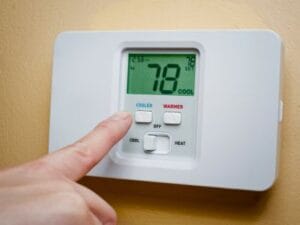

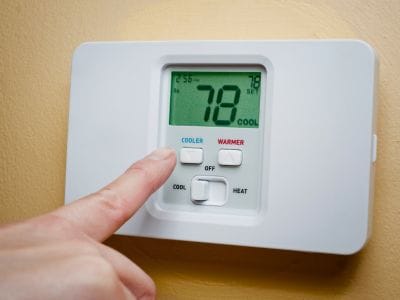

Your thermostat controls how efficiently your AC operates. If it’s outdated or not calibrated correctly, your system may run longer than necessary.
Recommendations:
- Set your thermostat to cooling mode
- Test temperature accuracy
- Upgrade to a programmable or smart thermostat
Energy Tip: Setting your thermostat to 24–26°C in summer can help balance comfort and energy savings.
4. Check and Clean Air Vents and Registers
Blocked or dirty vents can restrict airflow and reduce cooling efficiency throughout your home.
What to look for:
- Dust buildup on vents
- Furniture blocking airflow
- Uneven cooling in different rooms
Solution: Vacuum vents and ensure all registers are open and unobstructed.
5. Inspect the Condensate Drain Line
Your AC removes moisture from the air, which drains through a condensate line. If this line becomes clogged, it can cause water damage or system shutdowns.
Maintenance steps:
- Check for visible clogs
- Flush the line with a mixture of water and vinegar
- Ensure proper drainage away from your home
Warning Sign: Water pooling near your indoor unit could indicate a blocked drain line.
6. Examine Electrical Components

Faulty electrical connections can reduce system efficiency and pose safety risks.
What to check:
- Loose wiring
- Worn-out connections
- Signs of corrosion
7. Check Refrigerant Levels
Refrigerants are essential for cooling your home. Low levels can indicate a leak and reduce your system’s ability to cool effectively.
Signs of low refrigerant:
- Warm air blowing from vents
- Ice buildup on coils
- Increased energy bills
Note: Only certified HVAC professionals should handle refrigerant checks and recharges.
8. Test Your AC System Before Peak Heat

Don’t wait until the first heatwave to turn on your AC. Testing your system in May ensures everything is working properly.
How to test:
- Turn on cooling mode
- Listen for unusual noises
- Check for consistent airflow and cooling
Goal: Identify and fix issues early before demand for HVAC services spikes in Durham and Northumberland.
9. Schedule a Professional AC Tune-Up
While DIY maintenance is important, a professional inspection ensures your system is fully optimized.
What a tune-up includes:
- Coil cleaning
- Refrigerant level check
- Electrical inspection
- System performance testing
10. Consider System Upgrades or Replacement

If your air conditioner is over 10–15 years old, it may be time to consider an upgrade.
Benefits of newer systems:
- Higher energy efficiency
- Lower operating costs
- Improved cooling performance
Modern systems from trusted brands like Goodman and Amana are designed for Canadian climates and offer reliable performance.
Common AC Problems to Watch for This Summer
Even with maintenance, issues can arise. Keep an eye out for:
- Weak airflow
- Strange noises
- Foul odours
- Frequent cycling
- Rising energy bills
Addressing these problems early can prevent costly repairs or full system breakdowns.
Frequently Asked Questions (FAQ)
How often should I service my air conditioner in Ontario?
It’s recommended to schedule professional AC maintenance at least once per year—ideally in the spring.
What temperature should I set my AC in summer?
A setting of 24–26°C is ideal for balancing comfort and energy efficiency.
How long do air conditioners last in Canada?
Most AC systems last 10–15 years with proper maintenance.
Is AC maintenance really necessary?
Yes. Regular maintenance improves efficiency, extends system lifespan, and reduces the risk of breakdowns.
Why AC Maintenance Is Essential in Durham & Northumberland
Homes in Durham Region and Northumberland County experience a wide range of weather conditions—from freezing winters to hot, humid summers. This seasonal shift puts significant strain on HVAC systems.
Routine maintenance helps:
- Improve indoor comfort
- Reduce humidity levels
- Lower energy consumption
- Prevent mid-summer breakdowns
For homeowners in Oshawa, Whitby, Ajax, Pickering, Bowmanville, Cobourg, and Port Hope, staying proactive is the key to reliable cooling all summer long.
Final Thoughts: Stay Cool and Prepared This Summer
Getting your air conditioner ready in May is one of the smartest steps you can take as a homeowner. By following this AC maintenance checklist, you can ensure your system runs efficiently, keeps your home comfortable, and avoids unexpected issues during peak heat.
Looking For Reliable HVAC Services? Contact Joe’s Heating Today!
At Joe’s Heating & Air Conditioning, we take pride in servicing locations throughout the Durham and Northumberland region including Bowmanville, Peterborough, Pickering, Ajax, Whitby, Oshawa, Cobourg, Port Hope and more! We offer high end services for all of your HVAC needs such as furnaces, boilers, water heaters, heat pumps, air conditioners, humidifiers and more. If you want to ensure your family’s warmth and comfort contact Joe’s Heating and Air Conditioning today at (905) 434-6788!


