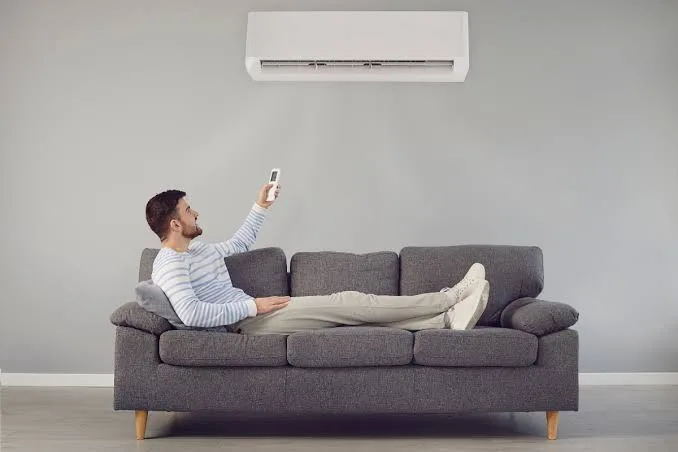


When the time comes to replace your furnace, air conditioner, heat pump, or water heater, homeowners are often given two main options: renting the equipment or buying it outright.
With home comfort costs continuing to be an important concern for many households, it is worth understanding how each option works before making a decision. Both renting and owning can make sense depending on your budget, long-term plans, and comfort needs. For homeowners in Durham Region, Northumberland, Kawartha Lakes, and surrounding areas, knowing the difference can help you choose the option that works best for your home.
What Does Renting HVAC Equipment Mean?
Renting HVAC equipment means you pay a monthly fee to use the system instead of purchasing it upfront. The rental provider usually supplies and installs the equipment, and some agreements may include service, repairs, or maintenance.
Common rented HVAC equipment may include:
- Furnaces
- Air conditioners
- Heat pumps
- Water heaters
- Tankless water heaters
- Indoor air quality equipment
For many homeowners, renting can seem convenient because it avoids a large upfront payment. Instead of paying for the full equipment and installation cost at once, the cost is spread out through monthly payments.
However, it is also important to understand the full terms of the rental agreement before signing.
Benefits of Renting HVAC Equipment
Renting may be appealing if you need equipment replaced quickly or want to avoid a large one-time expense. It can also make budgeting easier because the payment is usually made on a monthly basis.
Some possible benefits of renting include:
- Lower upfront cost
- Predictable monthly payments
- Possible repair or service coverage
- Less responsibility for unexpected equipment issues
- Convenience if replacement is needed quickly
This can be helpful if your furnace breaks down in the winter or your air conditioner stops working during a heat wave and you need a fast solution.
Drawbacks of Renting HVAC Equipment
Although renting may be easier at the beginning, it can become more expensive over time. Monthly payments can continue for years, and the total amount paid may eventually be higher than the cost of buying the equipment outright.
Some possible drawbacks include:
- Higher long-term cost
- Long contract terms
- Buyout fees if you want to end the agreement early
- Less control over the equipment
- Potential issues when selling your home
Before renting, homeowners should ask how long the agreement lasts, what is included, whether the monthly payment can increase, and what happens if they want to cancel or buy out the equipment.
What Does It Mean to Own HVAC Equipment?
Owning HVAC equipment means you purchase the system and it belongs to you. You are responsible for the cost of installation, maintenance, and repairs, but you also have more control over the equipment.
When you own your system, you can choose:
- The brand and model
- The efficiency level
- The contractor who installs it
- The maintenance provider
- Whether to repair or replace it later
Owning usually involves a higher upfront cost, but it can offer better long-term value, especially if you plan to stay in your home for several years.

Benefits of Owning HVAC Equipment
Some benefits of owning include:
- Lower long-term cost in many cases
- Full control over the system
- No monthly rental payment
- No long rental agreement
- More flexibility when choosing service or repairs
- Fewer complications when selling your home
Owning also gives you the freedom to work with a trusted local HVAC company for service, maintenance, or replacement when needed.
Drawbacks of Owning HVAC Equipment
The main drawback of owning is the upfront cost. Furnaces, air conditioners, heat pumps, and water heaters can be a major investment, especially when installation or additional work is required.
Homeowners should also consider:
- Repair costs after warranty coverage ends
- The need for regular maintenance
- Possible emergency service costs
- The larger upfront payment
However, regular maintenance can help protect your investment. A properly maintained HVAC system is more likely to run efficiently, last longer, and avoid unexpected breakdowns.
Renting vs. Owning: Which Option Costs More?
The answer depends on the equipment, rental rate, contract terms, and how long you keep the system.
Renting may cost less at the start because there is no large upfront payment. However, if you continue paying monthly for many years, the total cost may become much higher than purchasing the equipment.
When comparing renting and owning, ask:
- What is the monthly payment?
- How long is the agreement?
- Can the payment increase?
- What services are included?
- What is the buyout amount?
- What happens if I sell my home?
- What warranty coverage is included?
The best comparison looks at the total cost over time, not just the payment due today.
Maintenance and Repairs
Maintenance is important whether you rent or own your HVAC equipment. Regular service can help improve efficiency, reduce breakdowns, and extend the life of the system.
- If you rent, some maintenance or repair coverage may be included, but this depends on the contract. Some agreements may include parts and labour, while others may have limits or exclusions.
- If you own, you are responsible for maintenance, but you can choose who services your equipment and when it is done.
Basic HVAC maintenance may include:
- Replacing or cleaning filters
- Checking airflow
- Inspecting electrical components
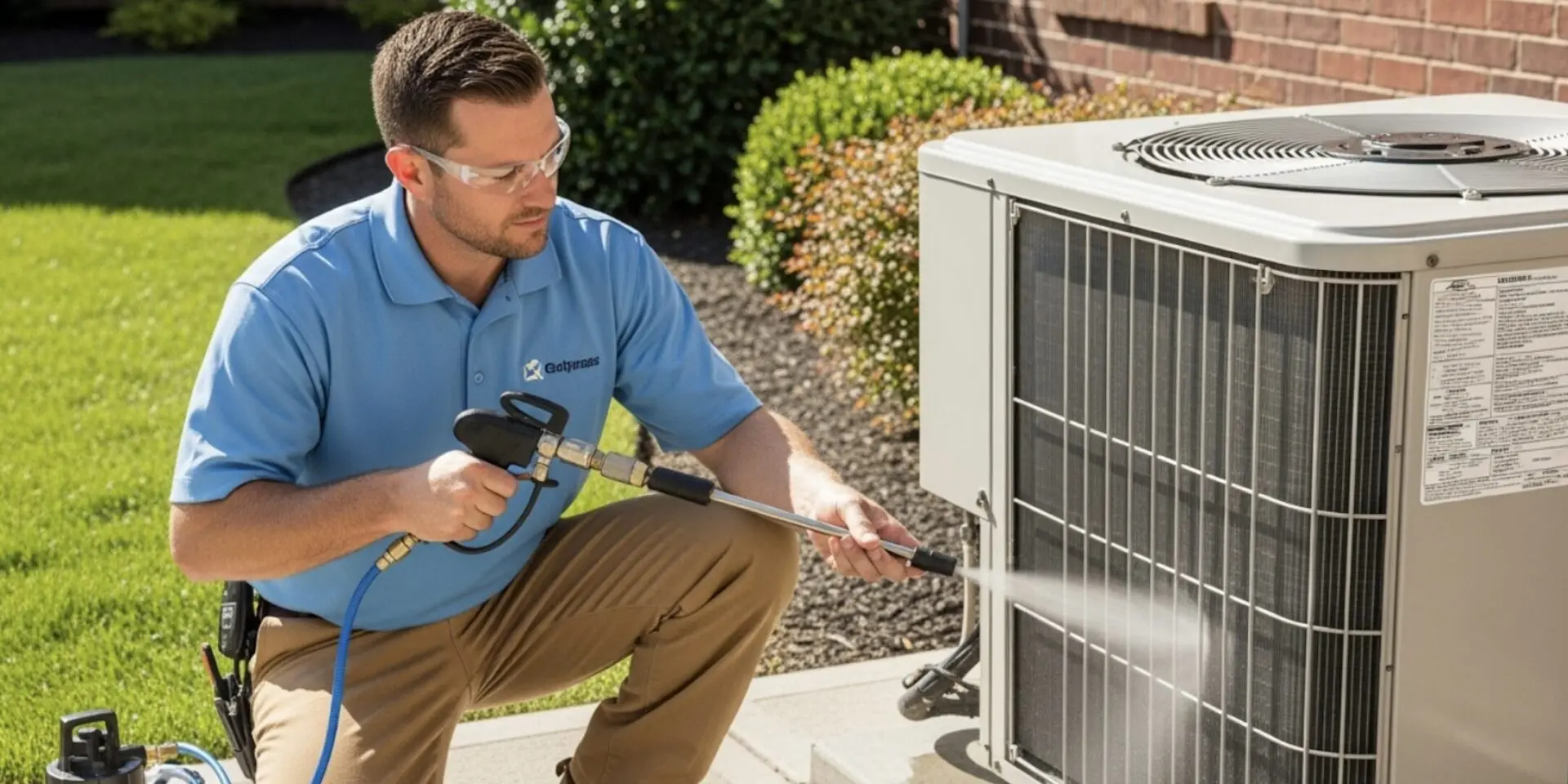
- Cleaning outdoor units
- Testing thermostat operation
- Listening for unusual noises
- Scheduling annual professional service
A well-maintained system can help keep your home comfortable and reduce the chance of costly repairs.

Selling Your Home With Rented HVAC Equipment
If you plan to sell your home, rented HVAC equipment can create extra considerations. A buyer may need to assume the rental agreement, or the seller may need to buy out the contract before closing.
This can lead to questions about monthly payments, the remaining term, and the buyout amount. For this reason, homeowners should keep copies of any rental agreements and understand the terms before listing their home.
Which Is the Right Option for You?
Renting may make sense if you want to avoid a large upfront cost, need equipment replaced quickly, or prefer monthly payments. However, it is important to read the agreement carefully and understand the long-term commitment.
On the other hand, owning may make sense if you plan to stay in your home for several years, want more control, and want to avoid long-term rental payments. Although the upfront cost is higher, ownership can often provide better value over time.
Final Thoughts
Choosing between renting and owning HVAC equipment depends on your budget, comfort needs, and long-term plans. Renting may offer convenience and lower upfront costs, while owning can provide more control and long-term value.

Before deciding, compare the full cost, contract terms, maintenance responsibilities, warranty coverage, and how each option may affect your home.
Contact Joe’s Heating & Air Conditioning
Joe’s Heating & Air Conditioning proudly serves homeowners throughout Durham Region, Northumberland, Kawartha Lakes, and surrounding areas, including Bowmanville, Oshawa, Whitby, Ajax, Pickering, Cobourg, Port Hope, and Peterborough.
Whether you need a furnace, air conditioner, heat pump, water heater, or indoor air quality system, our team can help you choose the right solution for your home. Contact Joe’s Heating & Air Conditioning today at (905) 434-6788.