


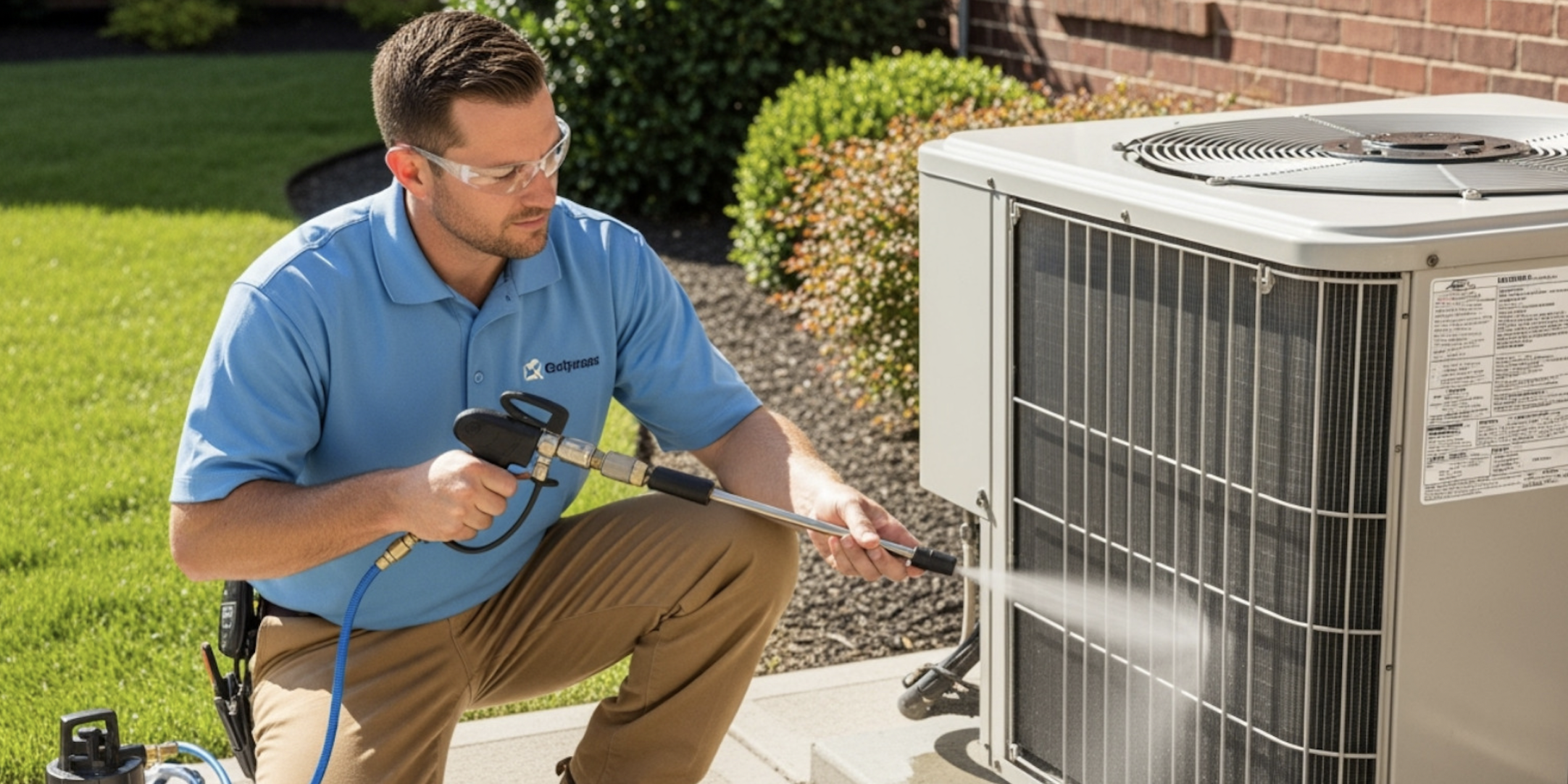
As summer approaches in Southern Ontario, many homeowners begin thinking seriously about indoor comfort. In regions like Durham and Northumberland, where humidity levels can climb quickly and heat waves are becoming more frequent, a reliable air conditioning system is no longer a luxury, it is a practical necessity. If you are considering installing a new air conditioner this summer, understanding the process, your options, and what to expect can help you make informed decisions and avoid costly mistakes.
Why Summer Installation Matters
Timing plays a significant role when installing an air conditioner. While many HVAC professionals recommend spring installation to avoid peak demand, summer installations are still very common, especially for homeowners dealing with failing systems or recent home purchases.
Installing during summer means:
- Higher demand for HVAC services, which can affect scheduling availability.
- Immediate need for cooling, especially during heat waves.
- Potential strain on older systems that may fail unexpectedly.
In Durham and Northumberland, summer temperatures often reach
30∘C or higher, with humidex values exceeding 35∘C. These conditions can place significant stress on both people and equipment, making efficient cooling systems essential for comfort and safety.
Types of Air Conditioning Systems
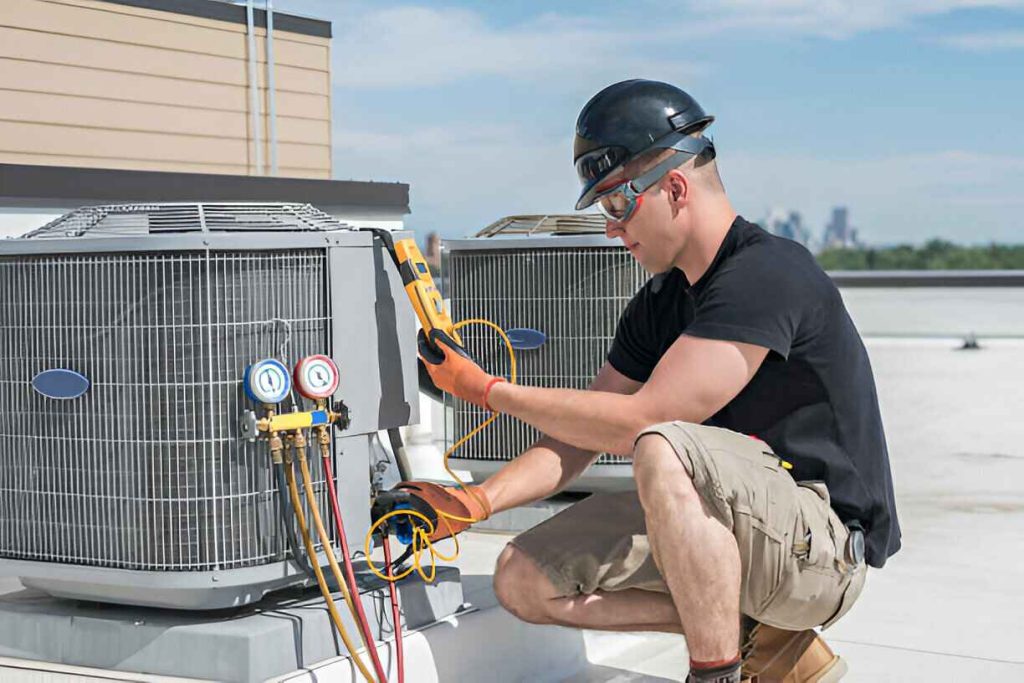 Before installation, it is important to understand the different types of systems available. The right choice depends on your home’s layout, existing infrastructure, and cooling needs.
Central Air Conditioning Systems
- Most common in detached homes.
- Uses ductwork to distribute cooled air throughout the house.
- Ideal for whole-home cooling.
- Requires a furnace or air handler.
Ductless Mini-Split Systems
- Suitable for homes without ductwork or for room-specific cooling.
- Consists of an outdoor unit and one or more indoor units.
- Offers flexibility and energy efficiency.
- Common in older homes or additions.
Window and Portable Units
- Lower upfront cost but limited cooling capacity.
- Typically used for temporary or supplemental cooling.
- Less efficient for long-term, whole-home use.
In many parts of Durham Region, newer subdivisions are already equipped with ductwork, making central air systems the most practical option. In contrast, older homes in Northumberland may benefit from ductless systems due to retrofit limitations.
Sizing Your Air Conditioner Correctly
One of the most critical aspects of installation is choosing the right size unit. Air conditioners are measured in tons, where one ton equals the ability to remove 12,000 BTUs (British Thermal Units) of heat per hour.
A system that is too small will struggle to cool your home, while an oversized unit can:
- Cycle on and off too frequently.
- Waste energy.
- Fail to properly dehumidify the air.
Proper sizing requires a load calculation, often referred to as a Manual J calculation. This considers:
- Square footage of the home.
- Insulation levels.
- Window size and orientation.
- Ceiling height.
- Air leakage.
For example, a typical 2,000 square foot home in Durham might require a system between 2.5 and 3.5 tons, depending on insulation and layout. However, exact sizing should always be determined by a qualified technician.
Energy Efficiency and SEER Ratings
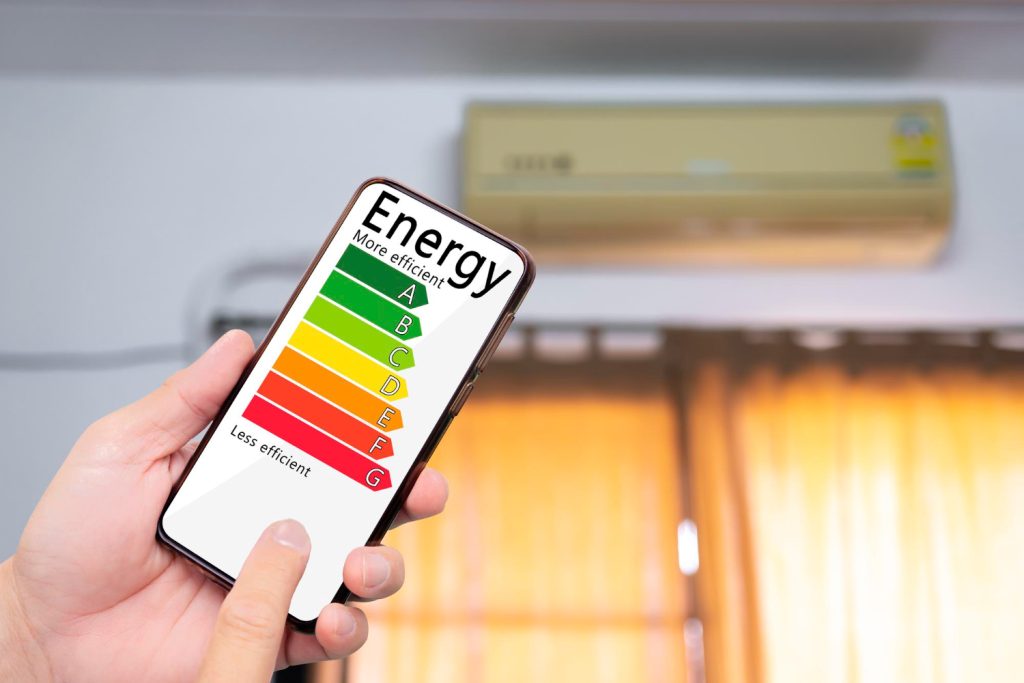 Energy efficiency is another key factor when selecting an air conditioner. In Canada, efficiency is commonly measured using the Seasonal Energy Efficiency Ratio (SEER).
- Minimum standard (as of recent regulations): around 13–14 SEER.
- High-efficiency systems: 16 SEER and above.
- Premium systems: 20+ SEER.
Higher SEER ratings generally mean:
- Lower electricity consumption.
- Reduced monthly utility bills.
- Better environmental performance.
Given Ontario’s electricity rates, investing in a higher-efficiency unit can lead to noticeable savings over time. For instance, upgrading from a 13 SEER to a 17 SEER unit can reduce cooling energy consumption by approximately 20–30%, depending on usage.
Installation Process Overview
Understanding what happens during installation can help homeowners prepare and minimize disruptions.
- Home Assessment
A technician evaluates your home, existing system, and cooling requirements. - System Selection
Based on the assessment, a suitable unit is recommended, considering size, efficiency, and budget. - Preparation
This may include:
- Upgrading electrical connections.
- Modifying ductwork.
- Ensuring proper drainage for condensation.
- Installation
The outdoor condenser and indoor components are installed and connected. Refrigerant lines and wiring are secured. - Testing and Calibration
The system is tested to ensure proper airflow, refrigerant levels, and thermostat function.
Most installations can be completed within one day, although more complex setups may take longer.
Permits and Local Considerations
In Ontario, HVAC installations may require permits depending on the scope of work. Local municipalities within Durham Region and Northumberland County may have specific bylaws regarding:
- Noise levels.
- Placement of outdoor units.
- Electrical upgrades.
Homeowners should ensure that installations comply with the Ontario Building Code and Electrical Safety Authority (ESA) requirements. Working with licensed professionals helps ensure compliance and safety.
Costs and Budget Expectations
 The cost of installing a new air conditioning system varies widely depending on several factors:
- Type of system.
- Size and capacity.
- Efficiency rating.
- Complexity of installation.
- Required upgrades (electrical, ductwork).
Typical price ranges in the region:
- Central air systems:
- $3,500
- $3,500 to
- $7,500
- $7,500 or more.
- Ductless systems:
- $3,000
- $3,000 to
- $10,000
- $10,000 depending on the number of zones.
While it may be tempting to choose the lowest-cost option, it is important to consider long-term operating costs, reliability, and warranty coverage.
Rebates and Incentives
Ontario homeowners may have access to rebates and energy efficiency programs, although availability can change over time.
Programs may include:
- Federal or provincial energy efficiency incentives.
- Utility company rebates for high-efficiency systems.
- Financing programs for energy upgrades.
For example, programs like the Canada Greener Homes Initiative (when active) have offered rebates for energy-efficient upgrades, including heat pumps that provide both heating and cooling.
It is advisable to check current programs or consult with a knowledgeable HVAC provider to identify available incentives.
Maintenance After Installation
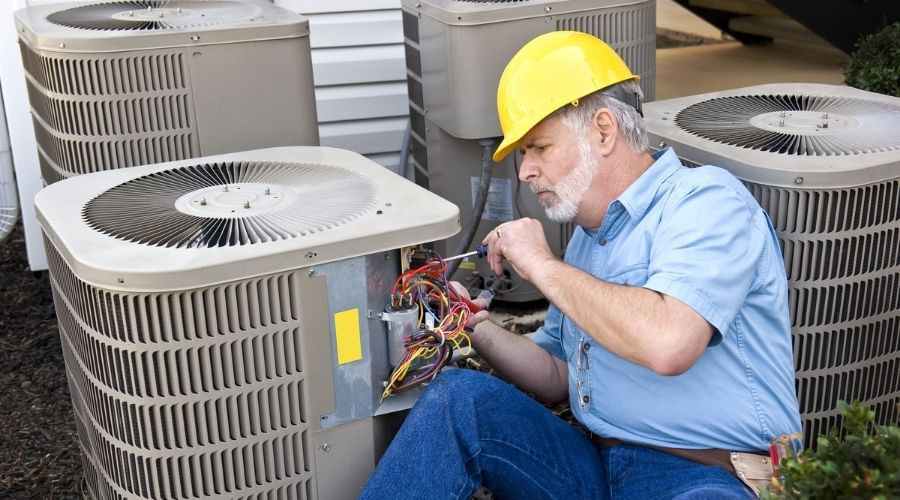 Once your air conditioner is installed, ongoing maintenance is essential to ensure performance and longevity.
Key maintenance tasks include:
- Replacing or cleaning air filters every 1–3 months.
- Keeping outdoor units clear of debris.
- Scheduling annual professional inspections.
- Checking thermostat settings and calibration.
A well-maintained system can last 10–15 years or more, while neglected units may fail prematurely or operate inefficiently.
Common Mistakes to Avoid
Homeowners often encounter issues due to avoidable mistakes during the installation process.
Some common pitfalls include:
- Choosing the wrong system size.
- Ignoring ductwork condition.
- Prioritizing upfront cost over efficiency.
- Hiring unlicensed installers.
- Skipping maintenance after installation.
For example, installing a high-efficiency unit without addressing leaky ducts can significantly reduce overall system performance, negating potential energy savings.
Climate Considerations in Durham and Northumberland
 The local climate plays a major role in air conditioning needs. Summers in this region are characterized by:
- High humidity levels due to proximity to Lake Ontario.
- Occasional extreme heat events.
- Fluctuating temperatures between day and night.
Humidity control is particularly important. Modern air conditioners not only cool the air but also remove moisture, improving indoor comfort. Systems with variable-speed compressors or two-stage operation can offer better humidity control compared to single-stage units.
Final Thoughts
Installing an air conditioner during the summer months in Durham and Northumberland is a practical step toward maintaining indoor comfort during increasingly warm and humid seasons. By understanding system types, sizing requirements, energy efficiency, and installation considerations, homeowners can make informed choices that balance comfort, cost, and long-term value.
Taking the time to plan properly, work with qualified professionals, and maintain your system can ensure reliable performance for years to come.
Looking For Reliable HVAC Services? Contact Joe’s Heating Today!
At Joe’s Heating & Air Conditioning, we take pride in servicing locations throughout the Durham and Northumberland region including Bowmanville, Peterborough, Pickering, Ajax, Whitby, Oshawa, Cobourg, Port Hope and more! We offer high end services for all of your HVAC needs such as furnaces, boilers, water heaters, heat pumps, air conditioners, humidifiers and more. If you want to ensure your family’s warmth and comfort contact Joe’s Heating and Air Conditioning today at (905) 434-6788!