


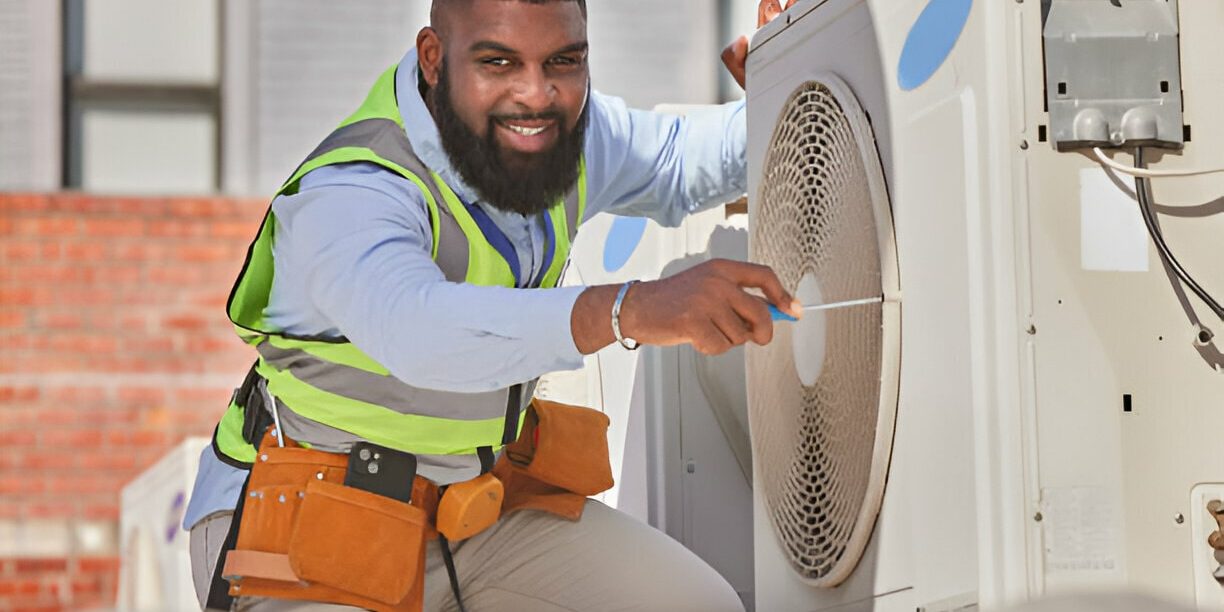
Heating and cooling systems are among the most important mechanical components in any home. Furnaces, air conditioners, heat pumps, and ventilation systems work year-round to maintain comfortable indoor temperatures and healthy air quality. Because these systems operate frequently and contain many mechanical components, they naturally experience wear and tear over time.
For many homeowners, unexpected HVAC repairs can be both inconvenient and expensive. This is where HVAC protection plans come into consideration. HVAC protection plans are designed to help homeowners manage the maintenance, repair, and long-term performance of their heating and cooling equipment.
This guide provides an in-depth look at HVAC protection plans, how they work, what they typically include, and how homeowners can determine whether a protection plan is a worthwhile option for their home.
For homeowners in regions with cold winters and warm summers—such as the Durham and Northumberland areas—having a reliable heating and cooling system is essential for year-round comfort. Protection plans can help ensure that these systems remain properly maintained and ready to perform when they are needed most.
What Is an HVAC Protection Plan?
An HVAC protection plan is a service agreement that helps maintain and protect heating and cooling systems through scheduled maintenance, inspections, and service benefits. These plans are typically offered by HVAC service providers to ensure systems receive regular preventative care.
While protection plans can vary, most are based on a simple principle: regular maintenance helps reduce the risk of major HVAC breakdowns and costly repairs.
Instead of waiting for equipment to fail, a protection plan focuses on identifying and correcting potential problems before they develop into larger mechanical issues.
Most HVAC protection plans are structured as either:
- Monthly subscription plans
- Annual service agreements
These plans typically include scheduled maintenance visits and additional benefits designed to help homeowners keep their HVAC systems running efficiently.
Why HVAC Systems Require Ongoing Maintenance
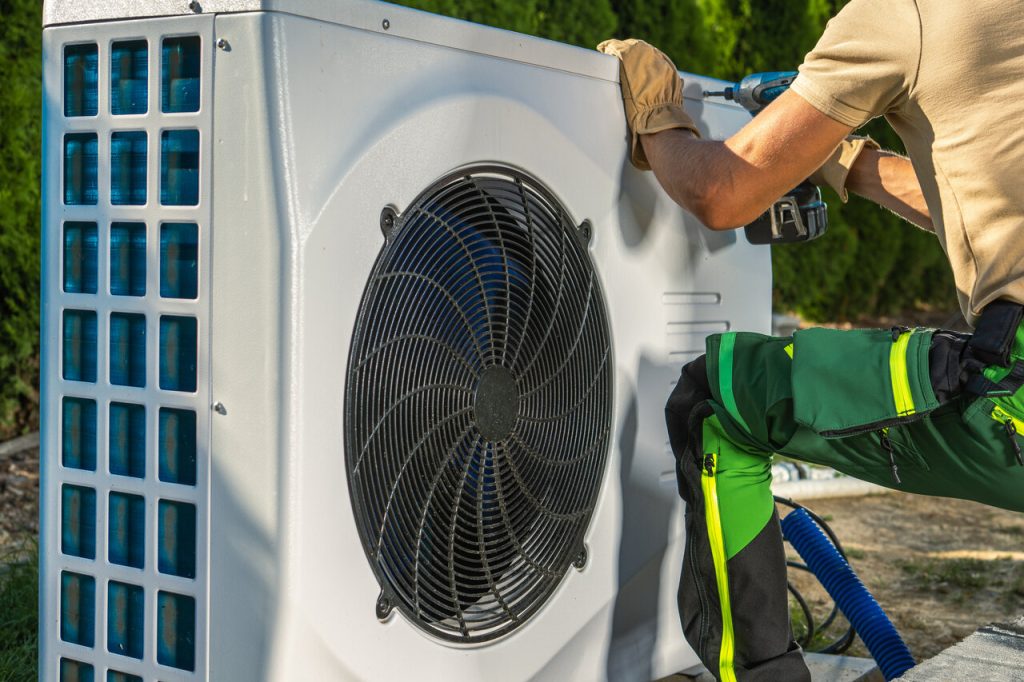
Heating and cooling systems are complex mechanical systems made up of electrical components, motors, refrigerant lines, fans, sensors, and control systems. Over time, these parts naturally experience wear due to constant operation.
Dust accumulation, airflow restrictions, and environmental factors can also affect system performance.
Common problems that may develop without routine HVAC maintenance include:
- Dirty air filters restricting airflow
- Clogged condenser coils in air conditioning units
- Worn blower motors or belts
- Refrigerant leaks in cooling systems
- Thermostat calibration issues
- Electrical connection wear or corrosion
If these issues go unnoticed, they can reduce system efficiency and increase the likelihood of mechanical failure.
Routine HVAC maintenance helps:
- Maintain consistent system efficiency
- Reduce overall energy consumption
- Extend the lifespan of heating and cooling equipment
- Improve indoor air quality
- Reduce the likelihood of unexpected system breakdowns
HVAC protection plans are designed specifically to ensure these maintenance tasks are completed regularly.
What Is Typically Included in an HVAC Protection Plan?
While protection plan details vary between service providers, most plans include several core services that focus on preventative maintenance and system monitoring.
Scheduled Maintenance Visits
One of the most valuable features of an HVAC protection plan is scheduled seasonal maintenance. Many plans include one or two service visits per year to prepare HVAC systems for peak operating seasons.
Cooling System Inspection (Spring or Early Summer)
During a cooling system inspection, technicians may:
- Inspect the air conditioner or heat pump
- Clean condenser coils
- Check refrigerant levels
- Inspect electrical components
- Test thermostat functionality
These inspections help ensure the system is ready to operate efficiently during the hottest months of the year.
Heating System Inspection (Fall)
Before winter arrives, heating systems are typically inspected to ensure safe and reliable operation.
During a furnace or heating inspection, technicians may:
- Inspect burners and heat exchangers
- Test ignition systems
- Inspect safety controls
- Check airflow and blower operation
- Verify thermostat communication
Seasonal maintenance helps prevent unexpected heating system failures during colder weather.
Priority Service Scheduling
Many HVAC protection plans offer priority service scheduling for plan members.
This means that if a system breaks down during high-demand periods—such as winter cold snaps or summer heat waves—homeowners with protection plans may receive faster service appointments compared to non-plan customers.
During extreme weather events, HVAC companies often experience high service demand. Priority scheduling can help reduce wait times when repairs are needed urgently.
Discounted Repair Costs
Another common feature of HVAC protection plans is discounted repair pricing.
Plan members may receive reduced rates on:
- Replacement parts
- Labour charges
- Diagnostic service calls
Although discounts vary depending on the specific protection plan, they can help reduce the financial impact of unexpected HVAC repairs.
Regular System Performance Checks
HVAC protection plans also include routine system performance monitoring to ensure equipment operates at peak efficiency.
Technicians may perform checks such as:
- Measuring airflow and ventilation levels
- Testing thermostat accuracy
- Monitoring refrigerant pressure
- Checking motor amperage and electrical performance
- Inspecting ductwork connections
Identifying performance issues early helps reduce energy waste and prevent potential system damage.
HVAC Systems Commonly Covered by Protection Plans
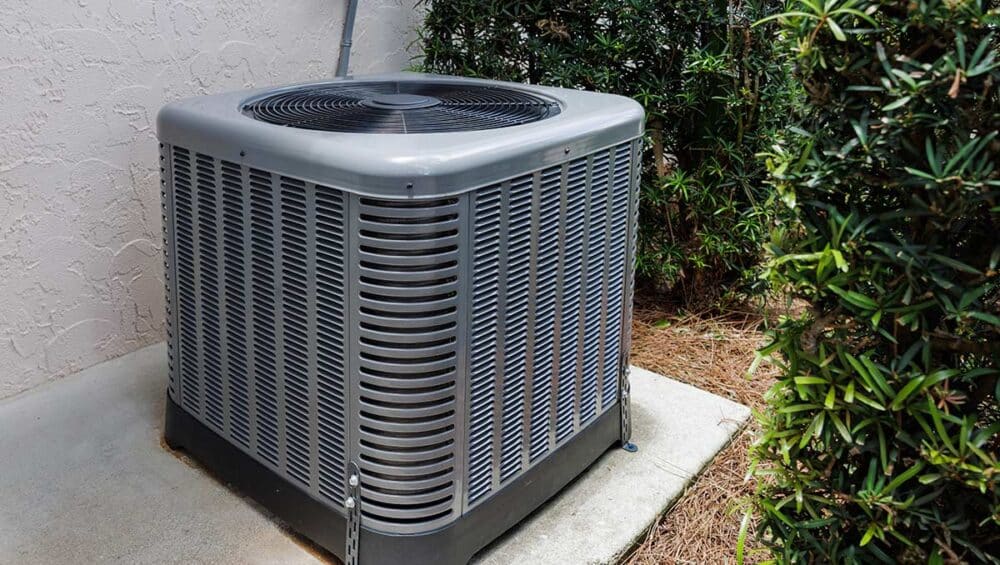
Most HVAC protection plans focus on maintaining the major heating and cooling equipment within a home.
Common systems covered include:
Furnaces
Gas and electric furnaces are the primary heating source in many homes. Protection plans may include safety inspections, cleaning, and operational testing.
Air Conditioners
Central air conditioning systems require seasonal maintenance to maintain cooling performance and refrigerant efficiency.
Heat Pumps
Heat pumps provide both heating and cooling and often require maintenance checks twice per year to ensure reliable operation.
Ductless Mini-Split Systems
Ductless HVAC systems include indoor air handlers and outdoor compressors that benefit from routine maintenance.
Ventilation Systems
Some protection plans may also include inspections for ventilation equipment such as:
- Heat Recovery Ventilators (HRVs)
- Energy Recovery Ventilators (ERVs)
These systems help maintain indoor air quality and airflow balance.
Key Benefits of HVAC Protection Plans
HVAC protection plans can offer several long-term advantages related to system performance and reliability.
Preventative Maintenance
Regular inspections help detect potential issues before they develop into major mechanical failures.
Extended Equipment Lifespan
Heating and cooling systems represent a major home investment. Proper maintenance can help reduce mechanical strain and extend equipment lifespan.
Improved Energy Efficiency
When HVAC components are clean and operating correctly, systems require less energy to maintain comfortable indoor temperatures.
Reduced Risk of Emergency Repairs
Although no maintenance program can completely eliminate breakdowns, preventative service significantly lowers the risk of sudden system failures.
Simplified Maintenance Scheduling
Protection plans help ensure homeowners do not forget important annual HVAC maintenance visits.
Important Factors to Consider When Choosing a Protection Plan

Not all HVAC protection plans are identical. Homeowners should review plan details carefully before enrolling.
Key factors to evaluate include:
Coverage Scope
Confirm which HVAC systems are included in the plan. Some plans only cover heating and cooling equipment, while others include ventilation components.
Maintenance Frequency
Review how many scheduled maintenance visits are included each year.
Repair Discounts
Some protection plans offer repair discounts while others focus strictly on preventative maintenance.
Contract Terms
Protection plans may require annual commitments or offer flexible monthly agreements.
Plan Transferability
If a homeowner plans to sell their home in the future, a transferable protection plan may provide additional value.
Are HVAC Protection Plans Worth It?
The value of HVAC protection plans often depends on several factors, including the age of the equipment and the homeowner’s maintenance preferences.
For newer HVAC systems, protection plans help ensure recommended maintenance schedules are followed.
For older systems, protection plans allow technicians to monitor equipment more closely and detect developing problems early.
Homeowners who prefer predictable maintenance scheduling and reduced repair costs may find HVAC protection plans particularly beneficial.
Those who already schedule maintenance independently may prefer a pay-as-needed service approach.
How HVAC Protection Plans Support Long-Term System Performance
Heating and cooling equipment is designed to operate for many years, but long-term performance depends heavily on consistent maintenance.
HVAC protection plans create a structured approach to system care by combining:
- Scheduled seasonal inspections
- Preventative maintenance
- Ongoing system performance monitoring
Over time, this proactive maintenance strategy helps reduce breakdown risk, maintain efficiency, and extend equipment lifespan.
Final Thoughts
HVAC protection plans are designed to help homeowners maintain the reliability and efficiency of their heating and cooling systems through regular inspections, preventative maintenance, and service benefits.
By understanding what these plans include—and how they help support long-term HVAC performance—homeowners can make informed decisions about how best to protect their heating and cooling equipment.
For homes that rely on HVAC systems throughout the year, consistent maintenance and early problem detection play an important role in maintaining reliable indoor comfort and efficient system operation for many years.
Looking For Reliable HVAC Services? Contact Joe’s Heating Today!
At Joe’s Heating & Air Conditioning, we take pride in servicing locations throughout the Durham and Northumberland region including Bowmanville, Peterborough, Pickering, Ajax, Whitby, Oshawa, Cobourg, Port Hope and more! We offer high end services for all of your HVAC needs such as furnaces, boilers, water heaters, heat pumps, air conditioners, humidifiers and more. If you want to ensure your family’s warmth and comfort contact Joe’s Heating and Air Conditioning today at (905) 434-6788!